
Amtrak, Chicago to St. Louis
CHARACTERS
There are three classes of travelers, and they can be determined by attire. Witness:
- The young college student, spotted most iconically as a young Caucasian woman, wearing Ugg boots, sweat pants, a zip-up hoodie, perhaps three backpacks and a side-bundled pony-tail.
- Secondly, the business man: iconically, again, Caucasian, but an older male, fleeing hairline, briefcase, one shoulder bag (small), and an overcoat, most traditionally a stormy gray or a disturbed charcoal color.
- Then, everyone else: best imagined as a racially ambiguous family (perhaps they are Indian, Puerto Rican, Mexican, the light-skin Black sort or the dark-skin white sort). ‘Everyone else’ is also the quiet reader, the audio-indulgent listeners, the indignant challenger, the restless nodders, the nodding resters, the beckoning Christian and the audiophonic child.
 BOARDING
“Those who are disabled, in the military, have children under the age of ten, are over the age 65 or have business class tickets can move on to the head of the line.” –Amtrak
Early twenty-something, who is college-educated, single, child less, healthy and without the means to afford a business class ticket, falls to the wayside of ticketed-travel; this is best seen when she arrives 45 minutes prior to boarding time, retrieves her ticket and waits patiently for the train to arrive on the track; yet she find that the fertile, military-crippled senior citizen with a business class ticket can arrive just ten minutes prior to departure, and find her way onto the train before the fruit-less, college-aged girl.
Then, it comes down to, what efforts might she make in her personal life to gain quicker access? Imagination runs, and one considers becoming pregnant or going to Iraq, and almost immediately, the thought is dismissed, and she finds comfort in the back of the line.
LAY OF THE LAND
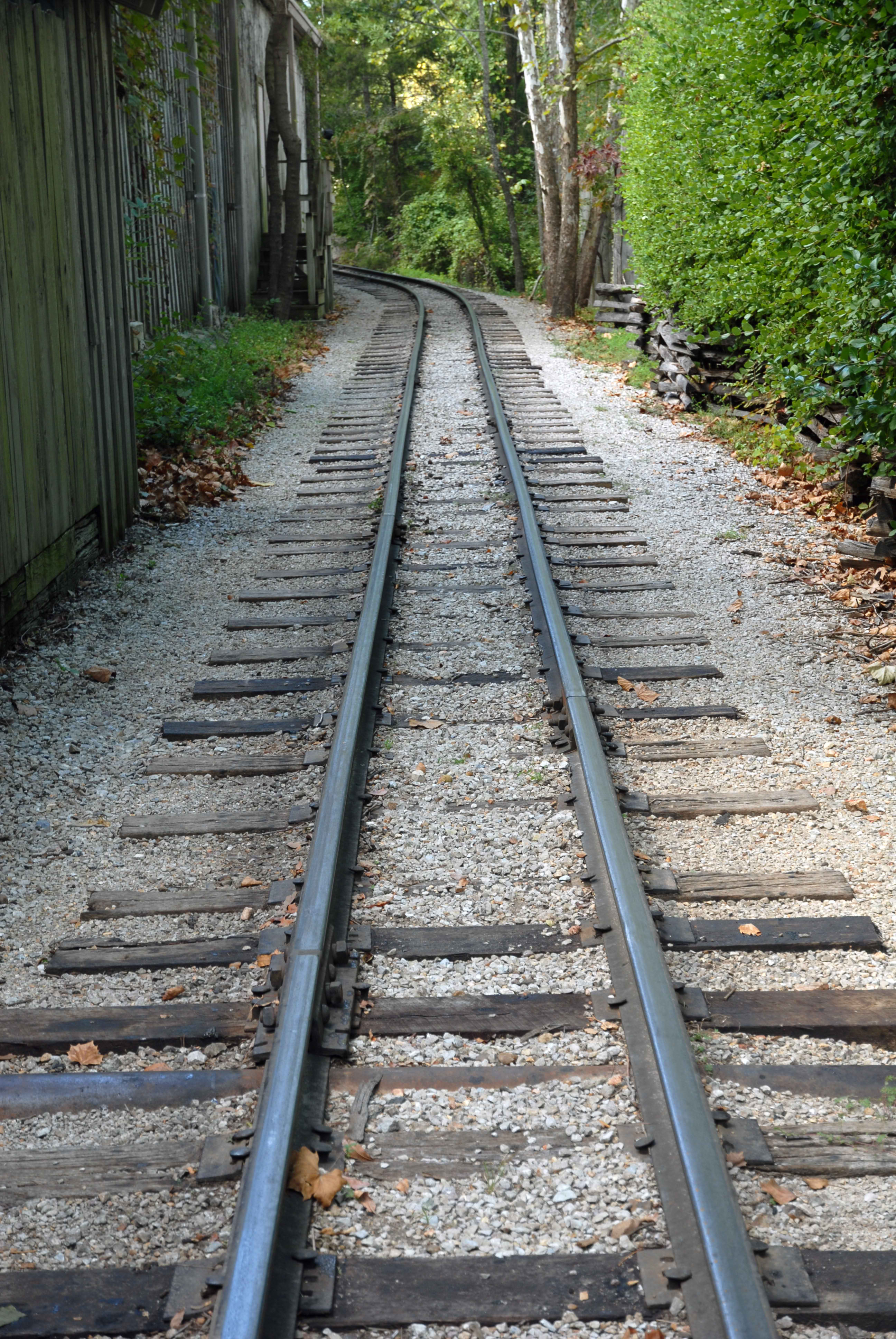
When on the train, in the Midwest, one is guaranteed a few certain things: tusks of corn, collections of massive cement vessels –which suddenly erect against the skyline and expel exhaust, metallic fixtures, plush green, water towers, homes with picket fences, parallel trucks, a great deal of blue sky, charming small cities/towns, schools of trees, sporadic bodies of water (large and small), barns (or barn-like facilities), the sun (or moon), stray paths, barren land and rouge roads.
PASSANGER SAFETY INSTRUCTIONS: Single Level Coach
Located on the rear of every seat are instructions for travel safety, framed into four categories: ‘On Train’, ‘In an Emergency’, ‘At the Station’ and ‘For Assistance’. These are common sense guidelines: using handrails never exiting a moving train, wearing shoes, looking for hazards, avoiding rushing to the train and asking for assistance if needed. Perhaps what is more interesting are the illustrations, which offers images of fire, smoke and debris/obstruction, as well as a guide through emergency procedure. The brouhaha concerning the illustrated brochure is the woman’s expression of discontent, while demonstrating emergency proceedings; there should be personal concern involving the woman’s lack of urgency. While the ballot is lousy with red renderings of ‘Emergency Exit’ signs, there seems to be no real sign of emergency. Also, she is alone, manning the emergency exit windows. The sheet fails to provide the real life hysteria, the actualized panic, which happens when a real trouble occurs.
SMALL ACTS OF KINDNESS
Beyond the strange experience that you may have observed or ignored, you will witness small acts of kindness during travel. Small children may compliment you with no intent of malice, calling you “pretty lady”; a lovely slightly older woman may offer you a drink without wanting anything in return; and a man with tattoos covering each digit of his worn hands may offer his seat to someone else because his seat appears to have more leg room.
—————